Tiberii Szilvashi is one of the key contemporary Ukrainian artists whose work has shaped—and continues to shape—the visual language of Ukrainian abstractionism. His artworks are meditations on color, light, and space, where paint ceases to be merely a material and becomes a self-sufficient reality. Szilvashi explores the boundaries of perception, focusing not on objecthood but on the emotional and philosophical essence of color. His canvases are not images but states, not forms but energies that invite the viewer into an inner dialogue. Through consistent experimentation and a profound sensitivity to color, Szilvashi has become one of the most influential artists of his generation and a symbol of Ukrainian coloristic thinking.
When exploring Tiberii Szilvashi’s work, it is impossible to overlook the in-depth analytical materials devoted to his artistic thinking and influence. One such example is a video on the Aesthetic Intelligence channel, hosted by cultural scholar Tetiana Doroshenko. In this episode, she shows the artist’s key ideas, analyzes his approach to color and space, and offers clear interpretations of complex artistic processes.
We are sharing a link to this video so that everyone interested can delve deeper into the study of Szilvashi’s work and view his art through the lens of professional art-historical analysis.
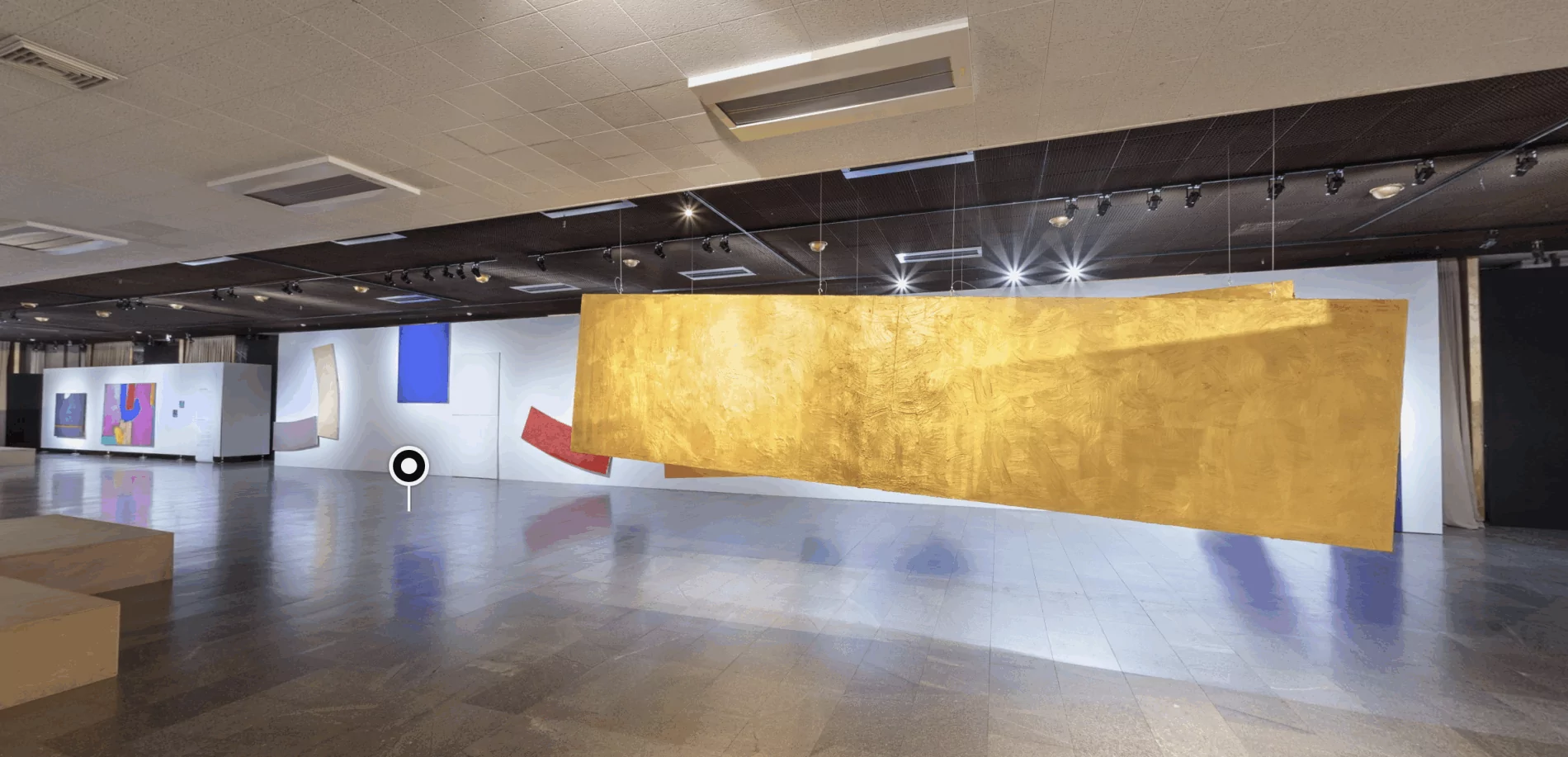
The first major museum retrospective of the artist—covering different stages of his career and demonstrating the connection of his work with space, color, form, and time—was the exhibition “Szilvashi Circles,” presented by the Ukrainian Museum of Contemporary Art (UMCA). This large-scale project was dedicated to the work of Tiberii Szilvashi, one of the most influential Ukrainian artists of the second half of the 20th and the early 21st centuries.
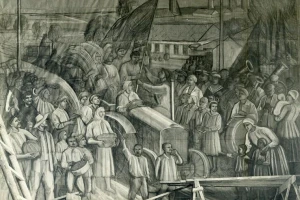
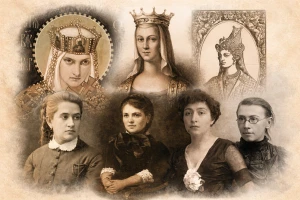
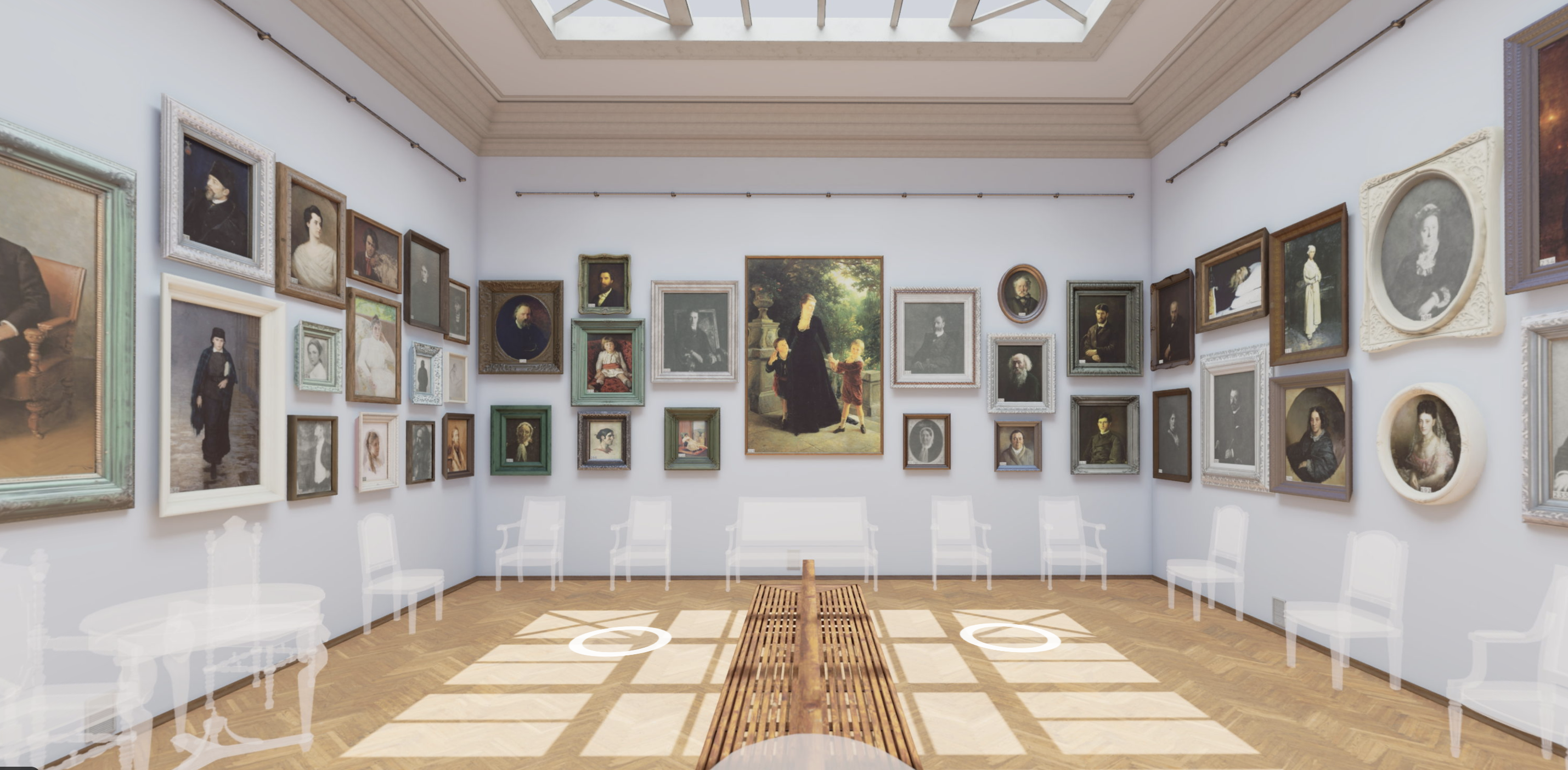
The exhibition unfolded across five floors of the Ukrainian House and included works by 86 artists, underscoring Szilvashi’s role as a key artistic figure around whom several generations of Ukrainian artists have formed. The curatorial team—Lidiia Apollonova, Olha Balashova, Anna-Maria Kucherenko, Borys Filonenko, and Yaroslav Futymskyi—presented Szilvashi not only as a painter, but also as a thinker and a catalyst of cultural processes.
Importantly, the exhibition “Szilvashi Circles” can now be viewed in a virtual format. This makes it accessible to a wider audience and allows visitors to explore the exhibition regardless of location, while preserving the atmosphere and distinctive qualities of the original installation.
The project became an important step in preserving and promoting Ukrainian cultural identity. It continues UMCA’s mission to present contemporary Ukrainian art and bring it closer to audiences in the face of today’s challenges.