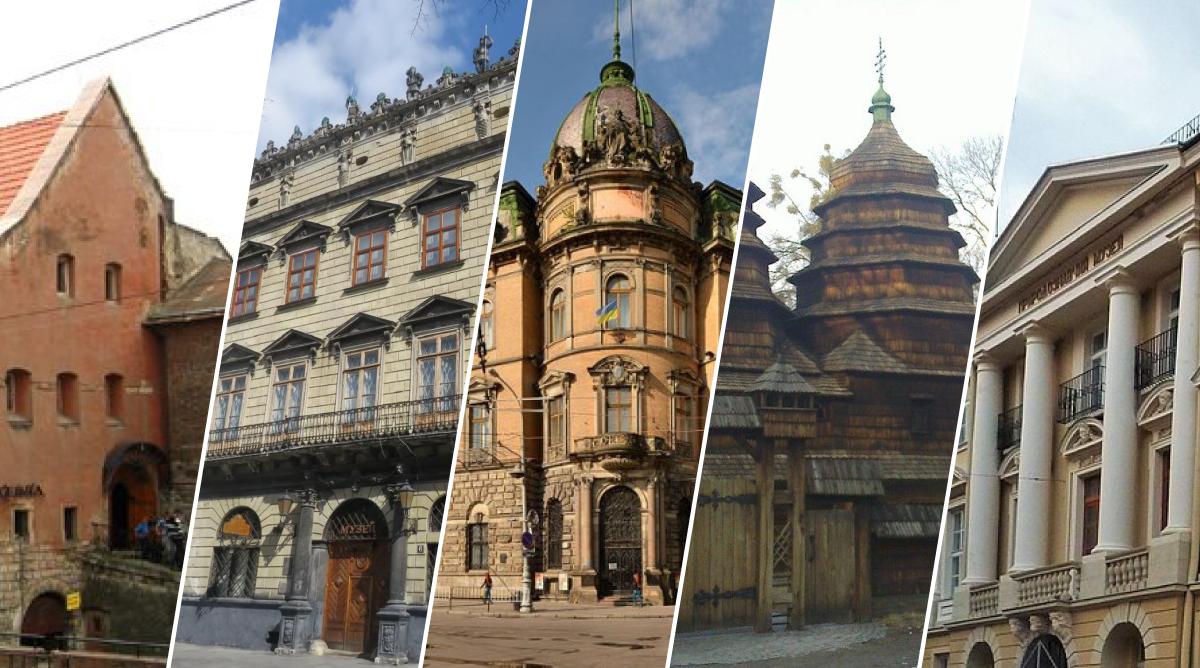
Lviv is one of those cities where culture can be felt at every step. Here, history is not confined to textbooks — it lives in the stone of the streets, in the interiors of historic buildings, and, of course, in museums. From classical art and archaeology to contemporary interpretations, private collections, and thematic spaces, Lviv’s museum scene is remarkably diverse and multifaceted.
In this selection, we have gathered the top 10 museums in Lviv that will help you see the city more deeply, understand its character, and feel the spirit of different eras. These are places worth visiting both for those discovering Lviv for the first time and for those who wish to find something new in it again and again.
Lviv Historical Museum
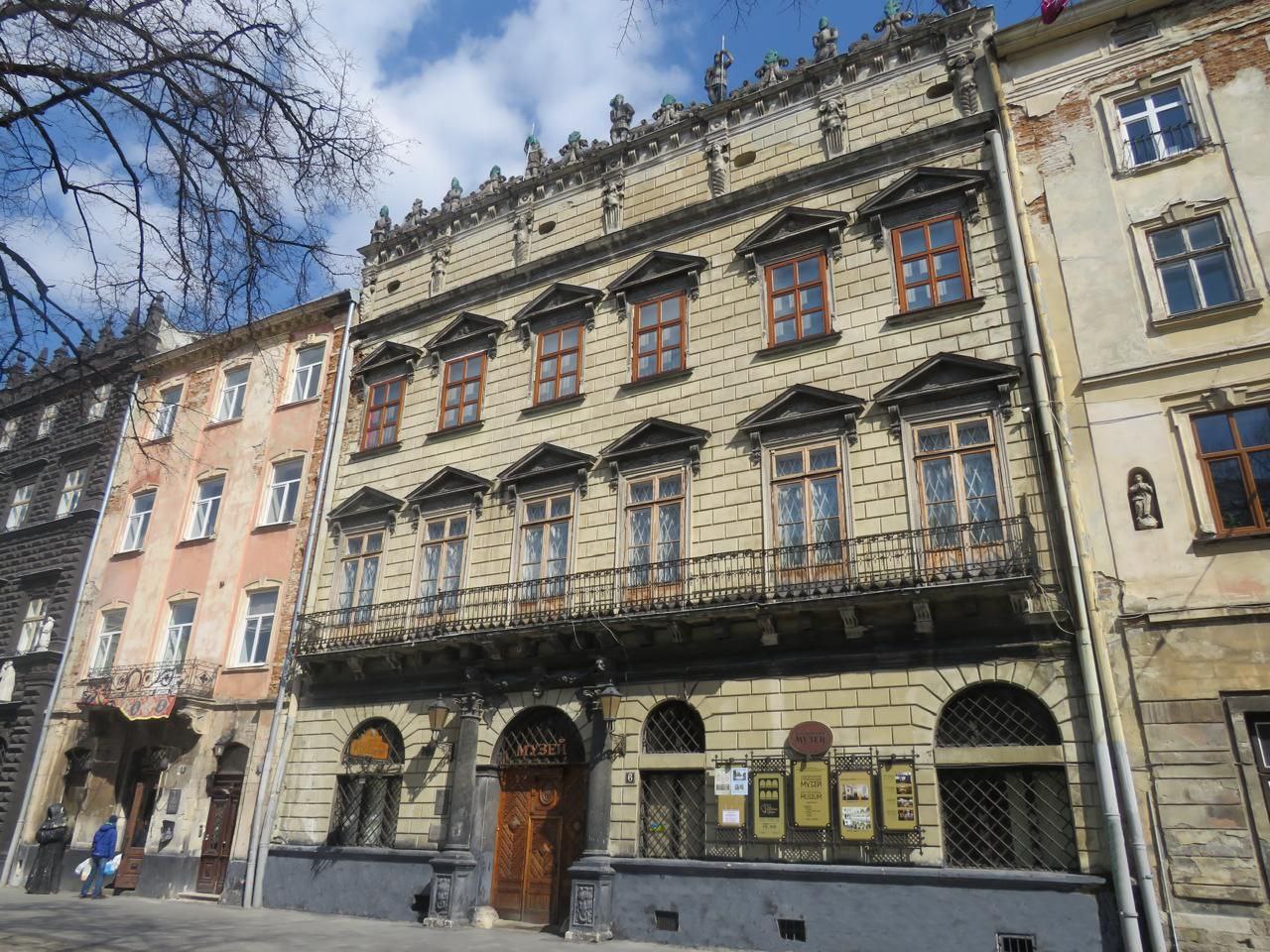
The Lviv Historical Museum is one of the oldest museums in Ukraine, founded in 1893. Its collections comprise over 370,000 artifacts that reveal the history of Lviv and Galicia from ancient times to the present day. The exhibitions are housed in architectural landmarks of the 16th–18th centuries on Rynok Square, in the City Arsenal, the former building of the Shooters’ Brotherhood, and in thematic branches, combining historical narratives with authentic spaces.
The museum presents Lviv as a living city with a multilayered destiny — through the Royal Halls, the Italian Courtyard, exhibitions of historical treasures, and sections dedicated to Ukraine’s liberation struggles. It is a key place for a deeper understanding of Lviv’s role in Ukrainian and European history.
Arsenal Museum
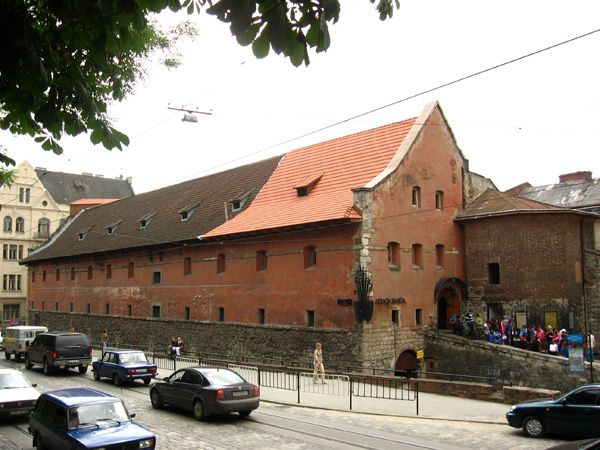
The Arsenal Museum is a unique space where the history of Lviv’s defense becomes a vivid and tangible reality. Since April 15, 2025, it has been hosting the exhibition project “Lviv’s Defense Industry (from the Middle Ages to the Early Modern Period)”, presenting more than 200 artifacts dedicated to the city’s military traditions, its fortification system of the 16th–18th centuries, municipal arsenals, and the role of craft guilds.
Located in the 16th-century City Arsenal building at 5 Pidvalna Street, the museum offers an interactive format with reconstructed cannons, photo zones, tactile exhibits, and educational areas for children. The combination of authentic architecture and modern interpretation makes the Arsenal Museum an essential stop for gaining a deeper understanding of Lviv’s military history.
Museum of Ethnography and Arts and Crafts
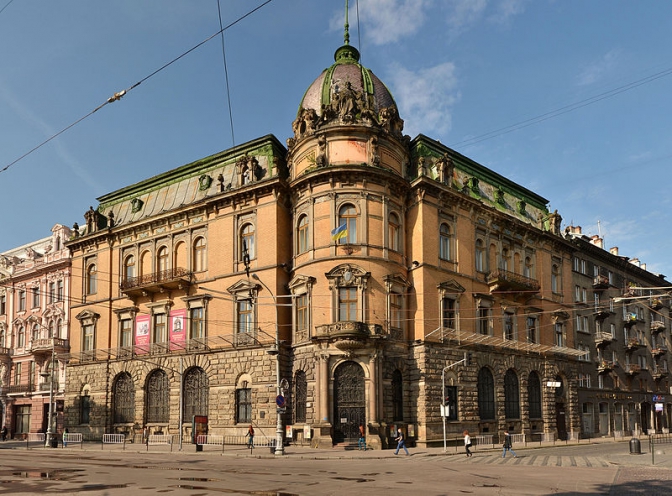
The Museum of Ethnography and Arts and Crafts of the Institute of Ethnology of the National Academy of Sciences of Ukraine is a leading center for preserving traditional culture and the only ethnographic museum in the NAS of Ukraine system. Founded in 1951, it houses tens of thousands of artifacts of folk culture and crafts, including one of the largest collections of traditional clothing, unique furniture from the 15th–20th centuries, and rare Coptic textiles.
The museum is located in the magnificent former building of the Galician Savings Bank on Svobody Avenue, an architectural landmark of the late 19th century. It is a place worth visiting to experience, through everyday objects and art, the richness of Ukrainian culture and the living power of folk traditions.
Lviv Art Gallery
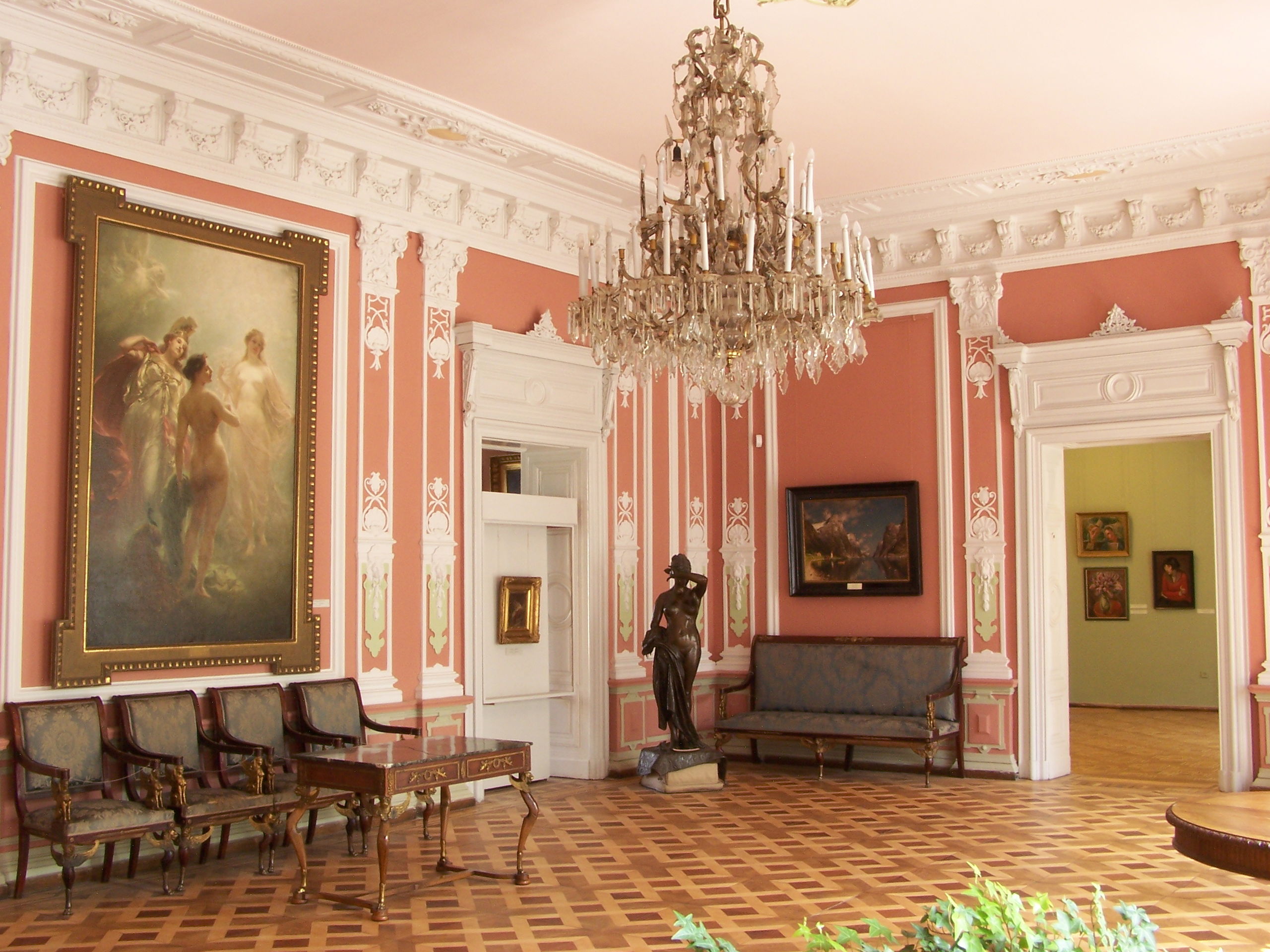
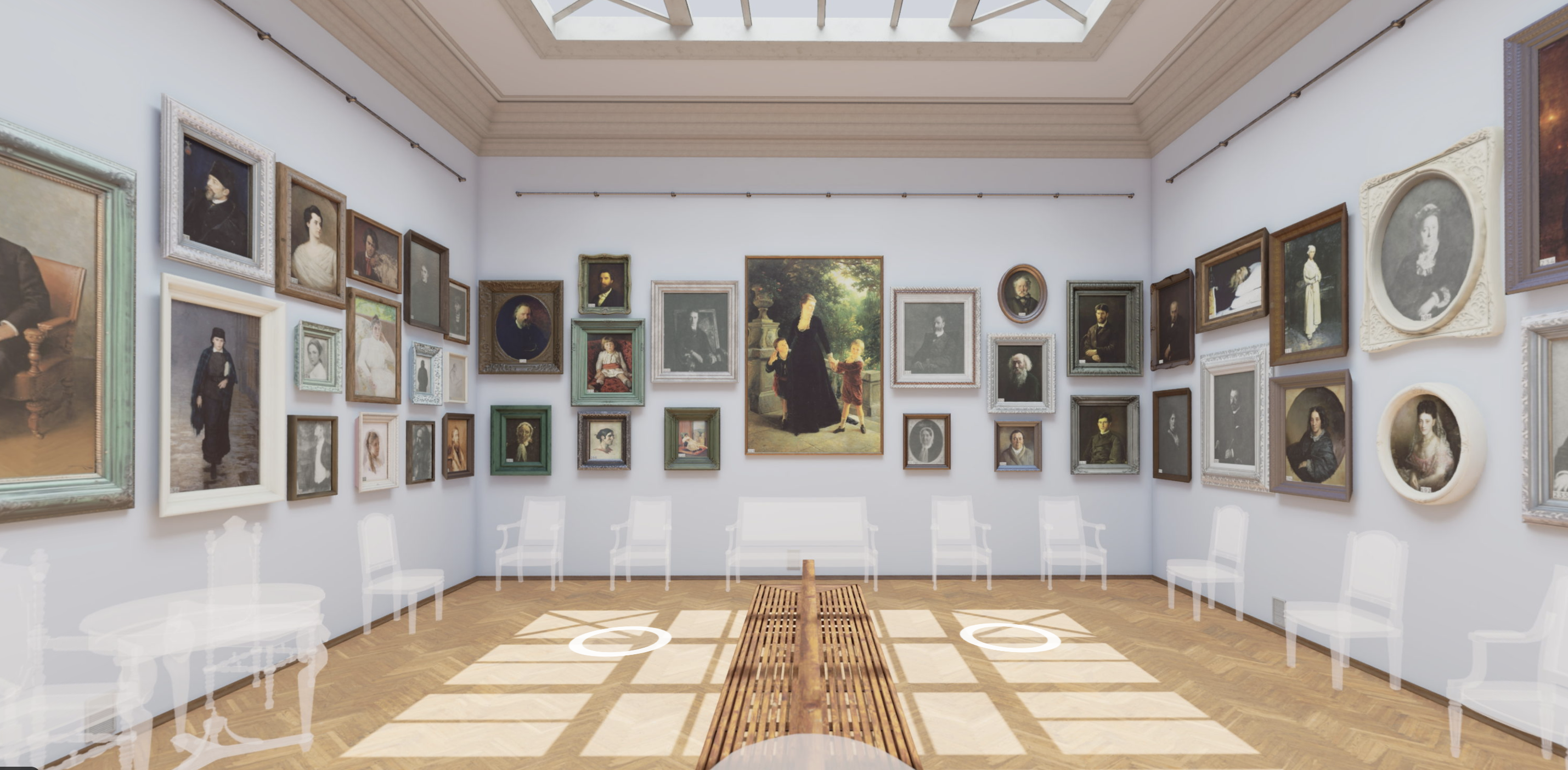
The Lviv National Art Gallery of Borys Voznytskyi is the largest art museum in Ukraine, with collections exceeding 67,000 works spanning from the Middle Ages to the 21st century. It presents the art of Ukraine and many European countries and was formed on the basis of the Princes Lubomirski Museum collection.
The gallery is renowned for its concentration of world-class masterpieces — from Italian Renaissance and Baroque works to paintings by Rubens, Strozzi, Matejko, Grottger, and Malczewski, as well as for its outstanding collections of sacred art, tapestries, and porcelain. It is a place where multiple eras and styles come together in one space, allowing visitors to feel the full scale of European and Ukrainian artistic heritage.
Andrey Sheptytsky National Museum in Lviv
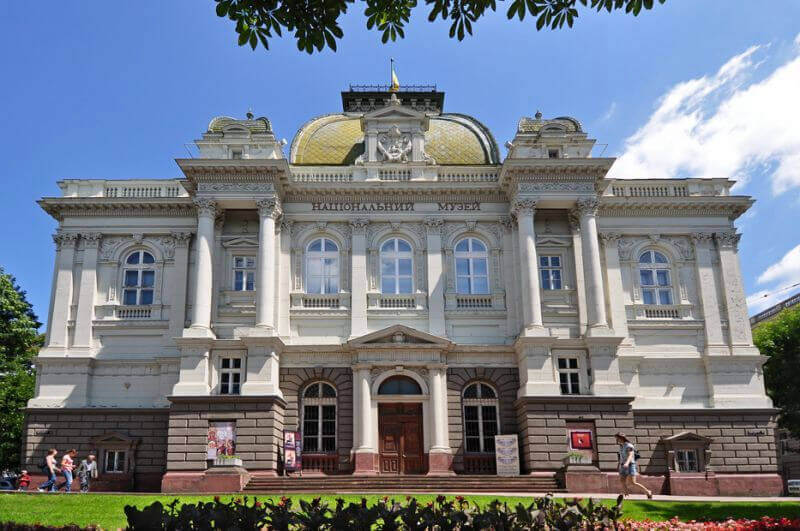
The Andrey Sheptytsky National Museum in Lviv is Ukraine’s leading art museum and one of the country’s most important treasuries of national culture. Founded in 1905 by Metropolitan Andrey Sheptytsky, it now preserves more than 100,000 exhibits representing a thousand-year history of Ukrainian art.
The museum’s greatest pride is the largest collection of sacred art in Ukraine from the 12th to the 18th centuries, as well as masterpieces by Ivan Rutkovych, Jov Kondzelevych, original works by Taras Shevchenko, and paintings by the classics of Ukrainian art. It is a place where visitors can see a comprehensive panorama of the development of Ukrainian culture and truly feel its depth.
State Museum of Natural History
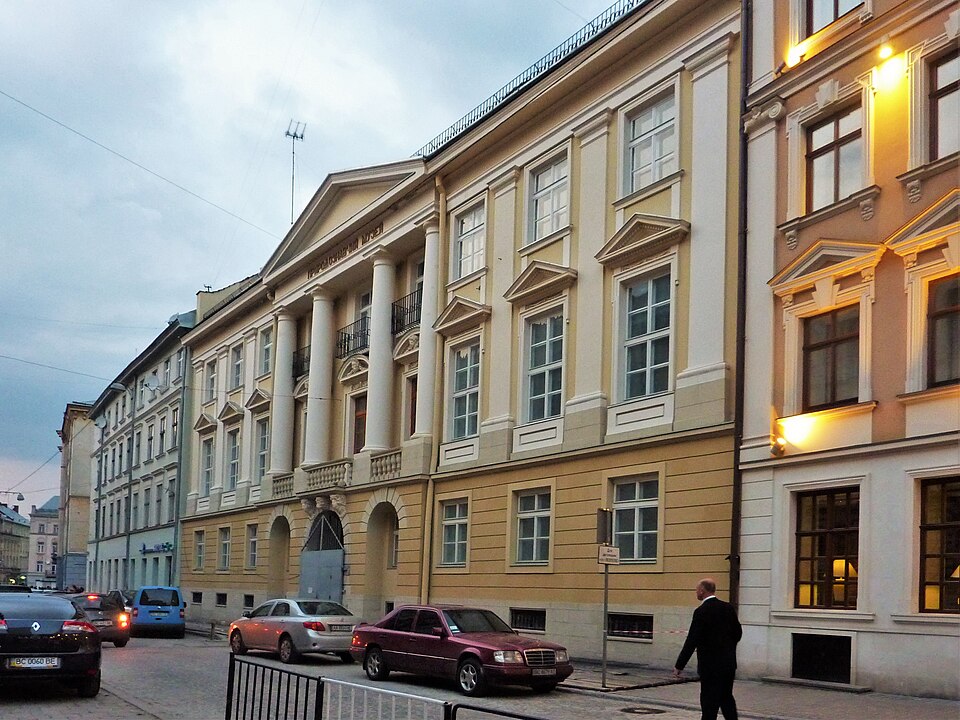
The State Museum of Natural History of the National Academy of Sciences of Ukraine is one of the oldest natural history museums in Europe and a leading scientific and museum institution in the country. It was founded in 1870 by Count Volodymyr Didushytskyi. Its collections comprise around 400,000 specimens, ranging from paleontology and meteorites to extensive plant and animal collections.
The museum attracts visitors with its modern interactive exhibitions, including a display dedicated to the Ice Age featuring a mammoth and a woolly rhinoceros. It is a place where science is presented in an accessible and engaging way for visitors of all ages.
Museum “Prison on Lontskoho"
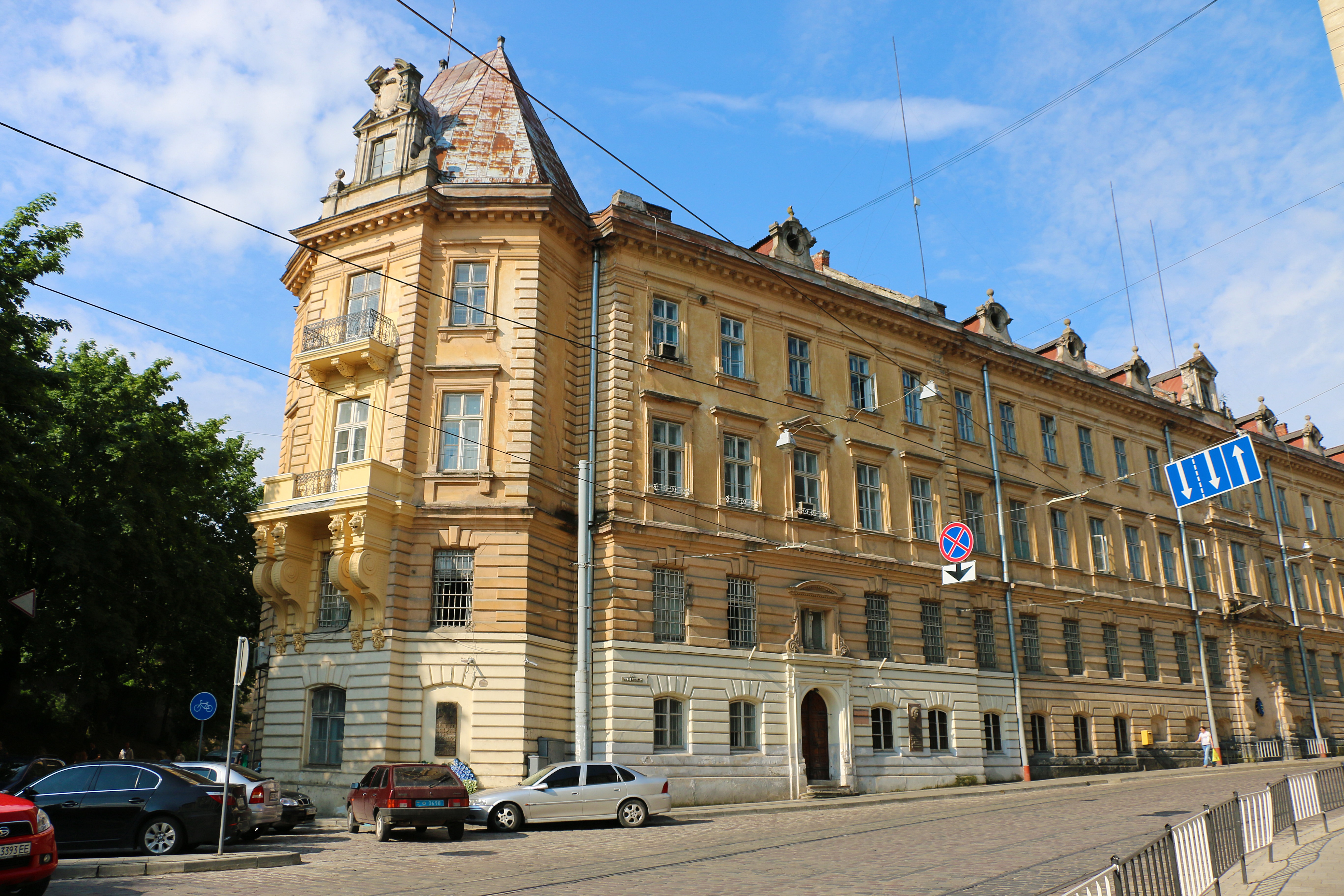
The National Memorial Museum “Prison on Lontskoho” is one of the most important memorial sites in Ukraine, dedicated to the victims of the Nazi and Soviet totalitarian regimes. The former political prison of the late 19th and 20th centuries became a place of mass repression, torture, and executions, and was opened as a museum in 2009.
Today, the exhibition is housed in the authentic prison cells and corridors, telling the story of the building’s past, everyday prison life, and the tragedy of 1941. It is a space of remembrance that reminds visitors of the true cost of freedom and the necessity of preventing crimes against humanity from ever happening again.
“Ancient Lviv” Museum
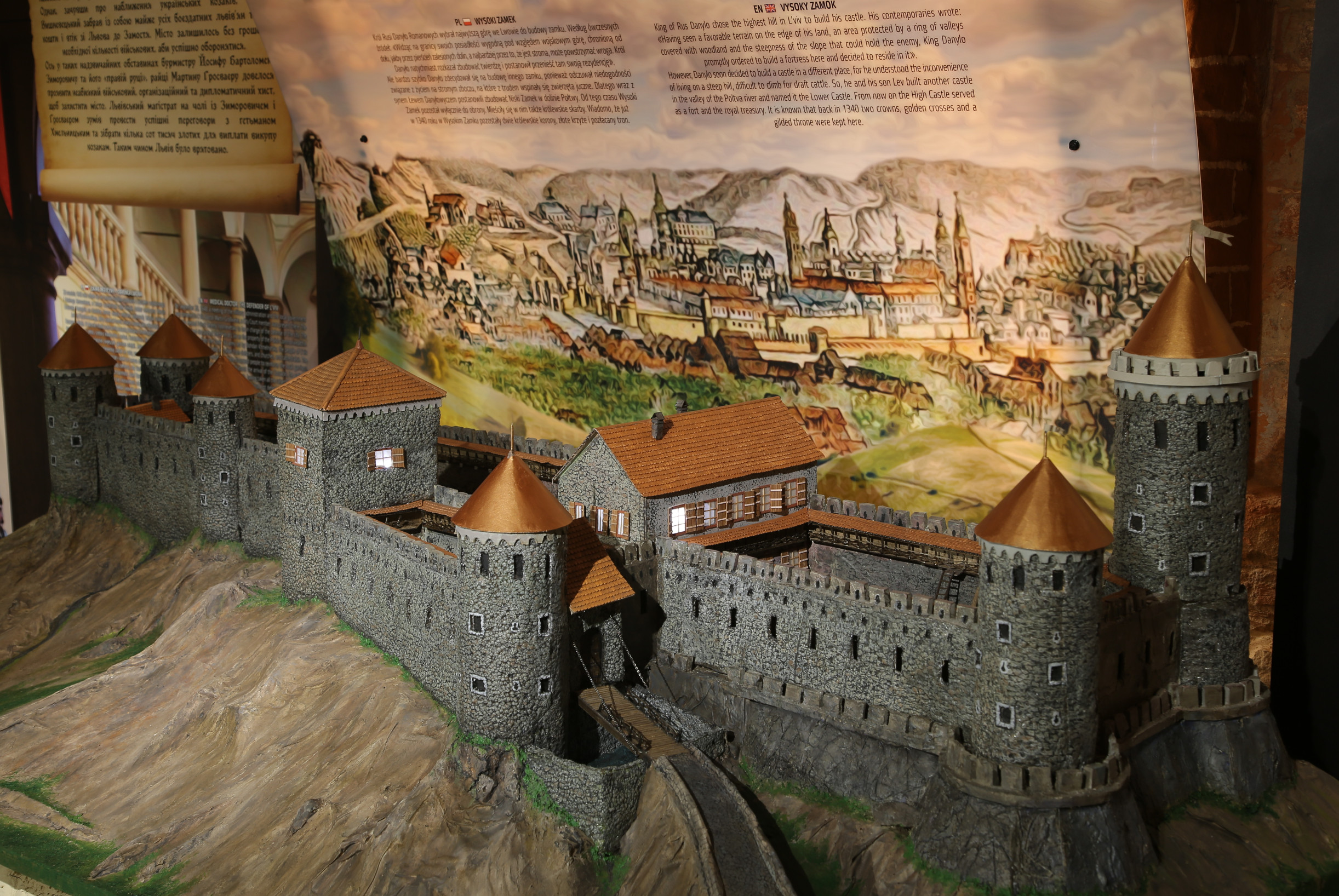
The “Ancient Lviv” Museum is a modern multimedia space that presents the history of Lviv from its founding to 1772 in an immersive format. The exhibition combines hyper-realistic figures of historical personalities, 3D dioramas, and interactive installations that illustrate the city’s development through different eras.
Sounds, scents, and multimedia effects help visitors not only learn facts but also emotionally experience history. The museum is part of the project “The Formation of the Ukrainian Nation” and offers guided tours, quests, and a multimedia guide in several languages, making it an excellent starting point for discovering Lviv’s past.
Museum of brewing "Lvivarnya"
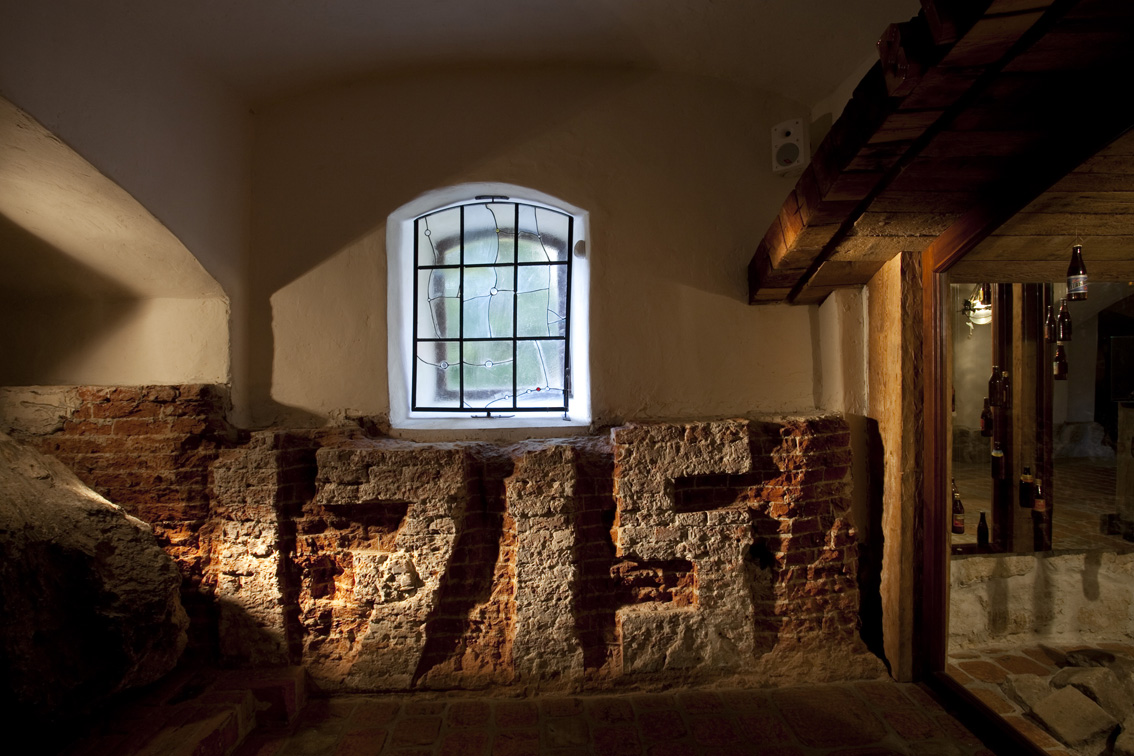
Lvivarnya is the only museum and cultural complex in Ukraine dedicated to the history of brewing and the role of beer in the life of Lviv. Renewed in 2017, the space combines a museum, an art area, and an event venue, featuring hundreds of artifacts, interactive installations, 3D holograms, and multimedia exhibits.
Here you can peek into the brewing process, learn about the ingredients, and even create your own virtual beer style. The visit ends with a tasting, so Lvivarnya offers not only knowledge but also vivid and flavorful impressions.
Shevchenkivskyi Hai
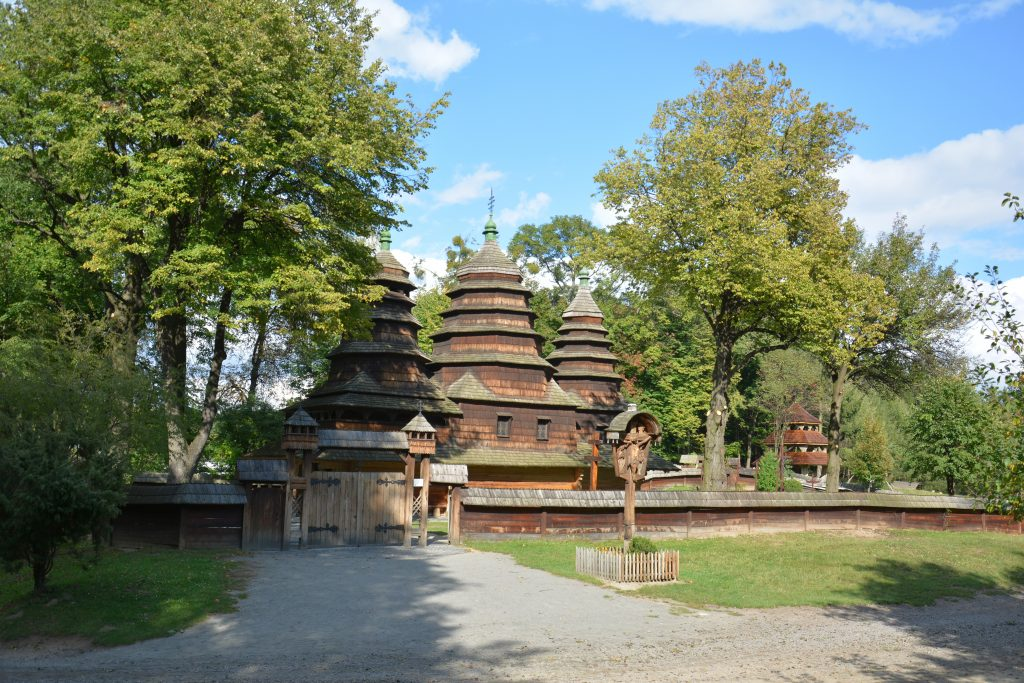
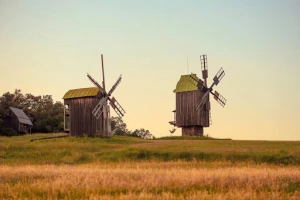
The Klymentii Sheptytskyi Museum of Folk Architecture and Life (better known as Shevchenkivskyi Hai) is one of the largest open-air museums in Ukraine, located within the Znesinnia Landscape Park. Covering more than 36 hectares, it features over 120 monuments of folk architecture from the western regions of Ukraine, recreating the atmosphere of traditional villages of Boikivshchyna, Lemkivshchyna, Hutsulshchyna, Bukovyna, Podillia, and the Lviv region.
Here you can see authentic houses, farm buildings, mills, blacksmith workshops, and six wooden churches, including the unique 18th-century Boyko church from the village of Kryvka. Shevchenkivskyi Hai is also a vibrant cultural space with festivals, workshops, and traditional celebrations where heritage comes alive in the open air. If you are interested in Ukraine’s open-air museums, you can learn more about them in the article on open-air museums available on the emuseum.online platform.
Each of these museums reveals Lviv in its own way: through art and everyday life, heroic and tragic pages of history, science, traditions, and contemporary interpretations. Together they create a polyphonic portrait of Lviv — a city that knows how to preserve the past while remaining open to the new. By choosing even a few museums from this selection, you create your own route of discovering Lviv, one that can be different every time.


 (1)_latest.webp)