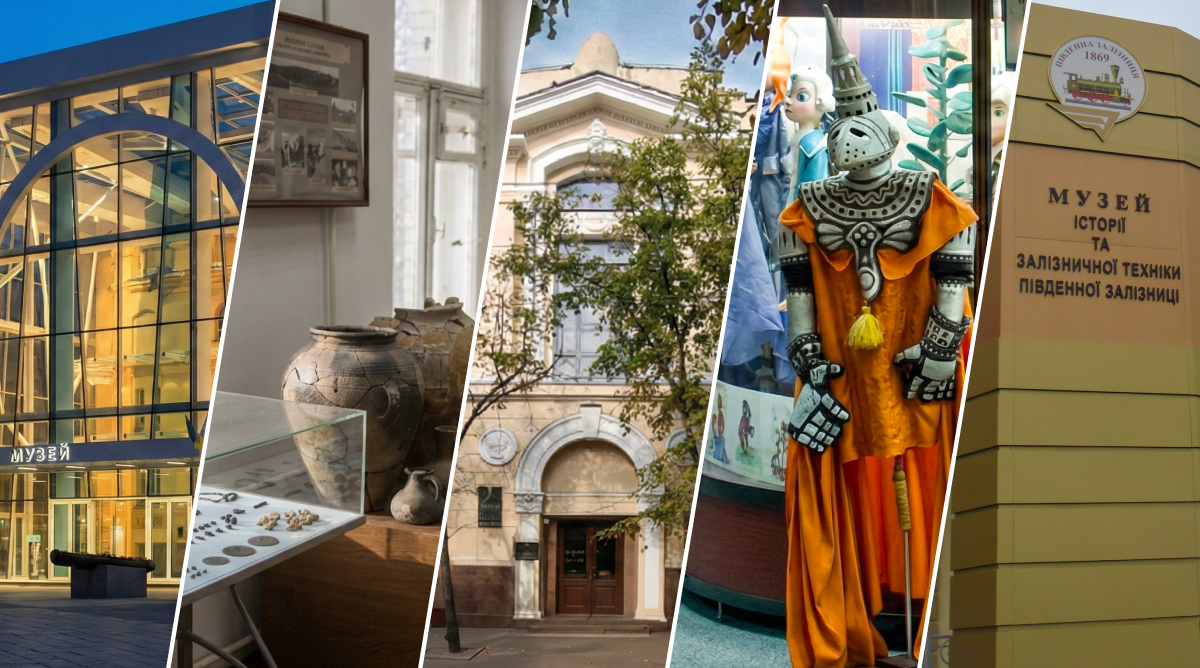
This Top 10 Museums of Kharkiv selection highlights institutions that, despite constant challenges, continue their work and share the city’s layered cultural landscape. These are museums whose activities are worth knowing about today — many of them operating largely online, yet doing everything possible to preserve, research, and promote their collections. Together, they reveal different facets of Kharkiv and its past, keeping the city’s cultural voice alive even in the most difficult times.
Kharkiv Art Museum
 Source: Kharkiv Art Museum
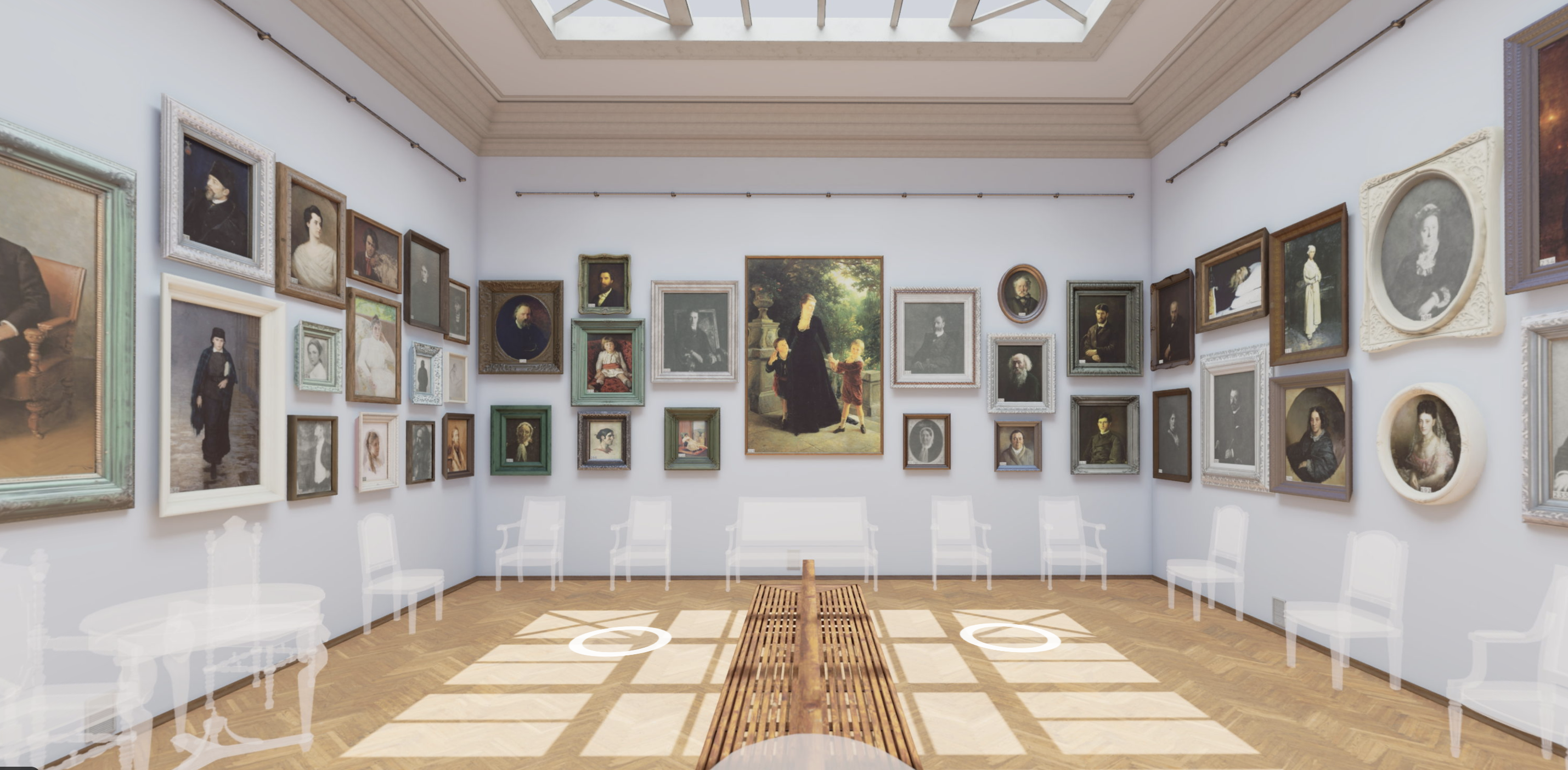
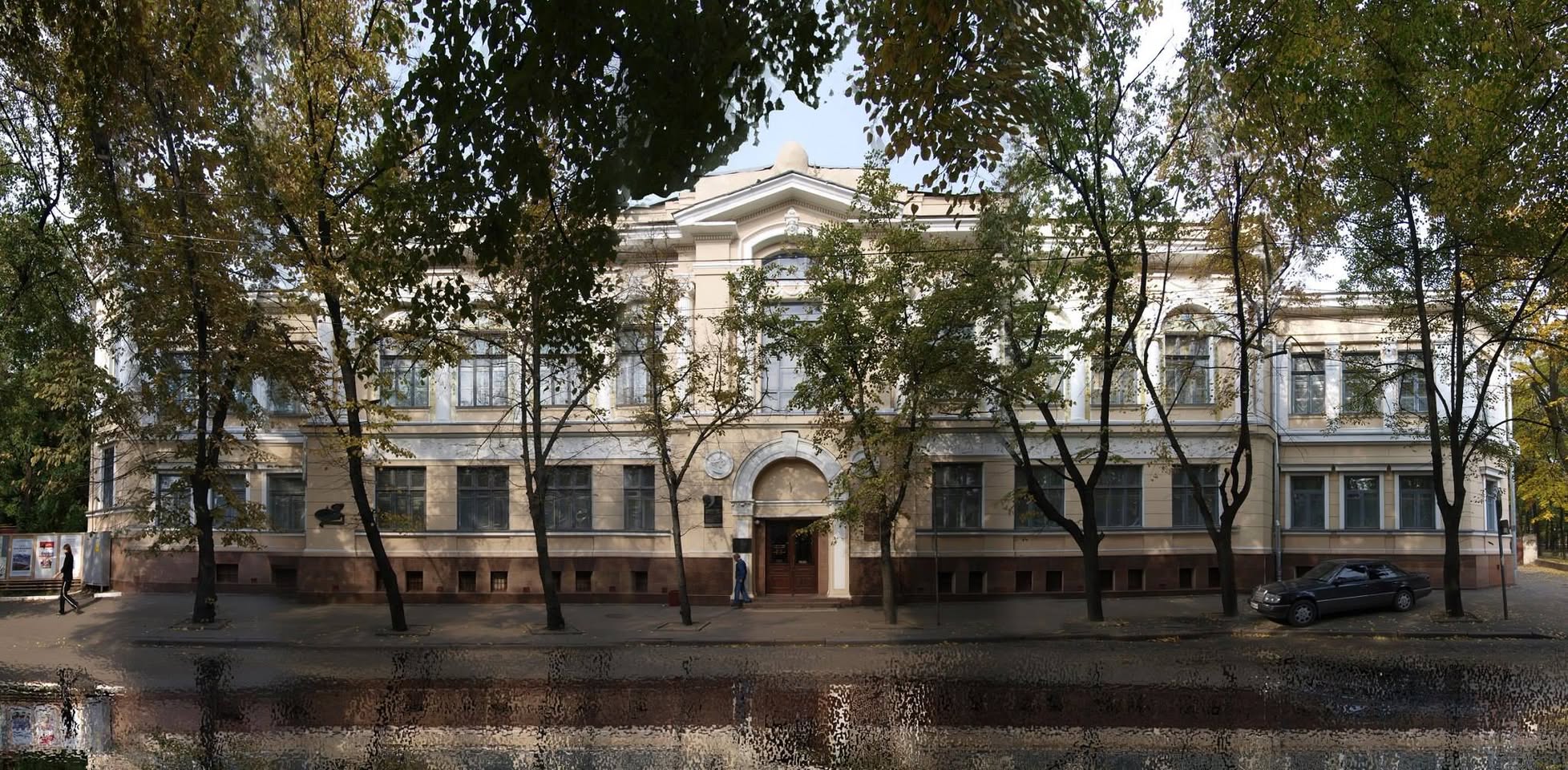
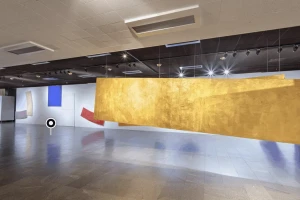
Kharkiv Art Museum is one of the largest art museums in Ukraine, housing extensive collections of Ukrainian and international fine and decorative art. It is located in an early-20th-century palace designed by architect Oleksii Beketov and traces its origins to the university collections initiated by Vasyl Karazin.
The museum’s galleries feature works by Taras Shevchenko, Serhii Vasylkivskyi, Ilya Repin, Ivan Aivazovsky, Tetiana Yablonska, and many other renowned artists. Despite the losses and damage it has suffered during Russia’s full-scale invasion, the museum continues to develop temporary exhibitions, contemporary projects, and educational programs, remaining an important center of Kharkiv’s cultural life.
Kharkiv Historical Museum
 Source: https://x-vymir.com/
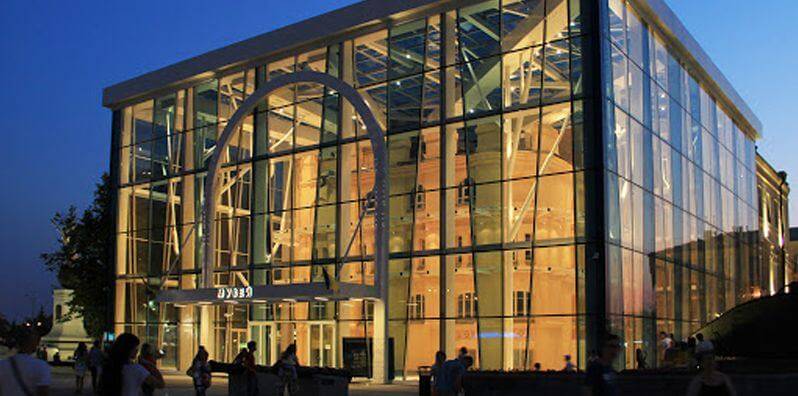
Mykola Sumtsov Kharkiv Historical Museum is one of the leading museums in Eastern Ukraine. It was founded in 1920 as the Museum of Sloboda Ukraine on the initiative of historian and ethnographer Mykola Sumtsov, who laid the foundations for a strong research and cultural center dedicated to studying the history and traditions of the Slobozhanshchyna region.
Today, the museum’s collection includes more than 300,000 objects, ranging from archaeological artifacts and Cossack relics to materials of modern history. The museum serves as an important place for exploring the past of Kharkiv and the surrounding region, actively combining exhibition, research, and educational activities.
Museum of Nature
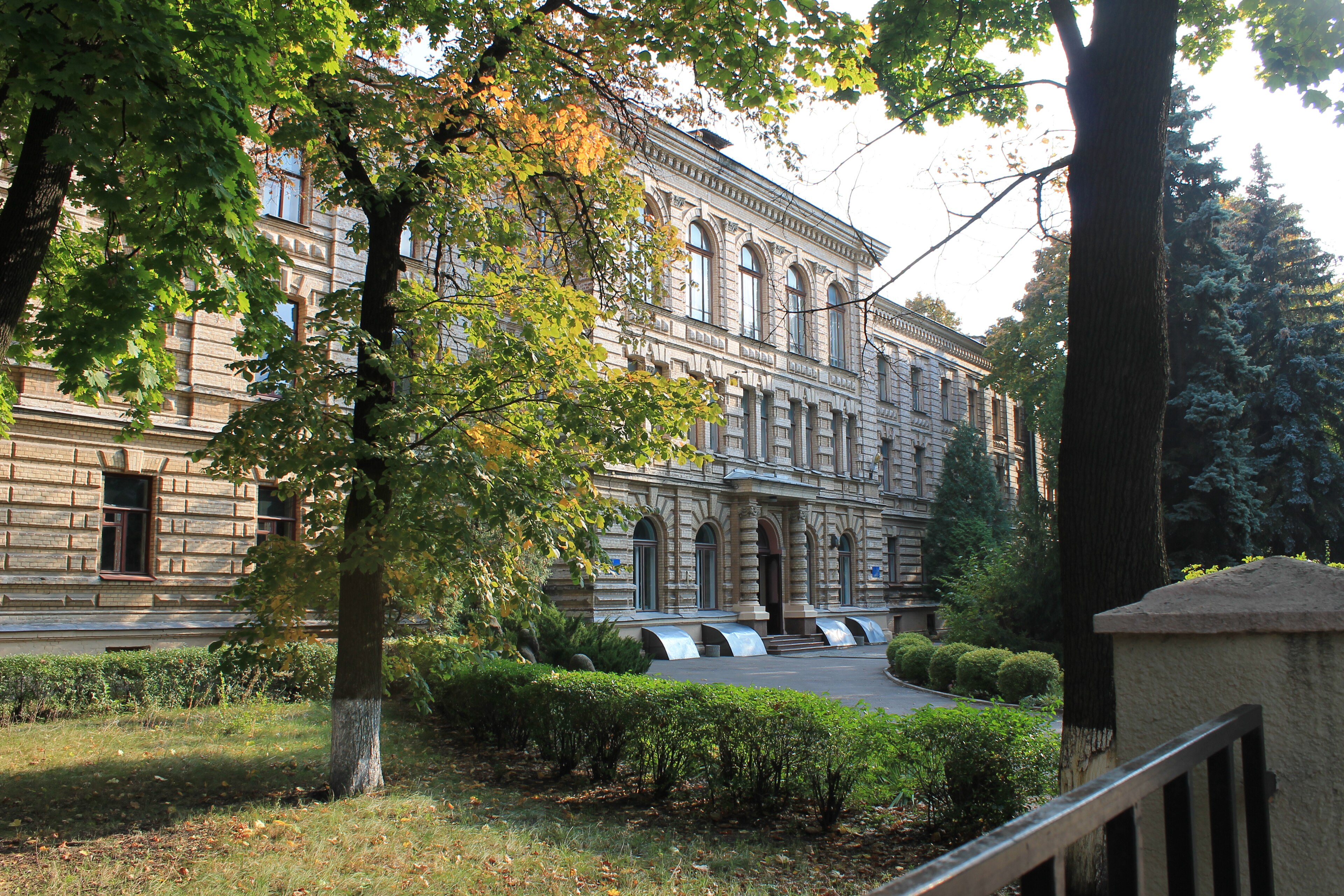
State Museum of Nature of V. N. Karazin Kharkiv National University is one of the oldest natural history museums in Europe and an important scientific and educational center of Ukraine. It originated in the early 19th century on the basis of the university’s zoological and mineralogical collections and gradually evolved into a large museum complex.
Today, the museum preserves hundreds of thousands of exhibits that introduce visitors to the diversity of living nature, the processes of evolution, and the natural resources of our planet, combining scientific depth with an accessible and engaging presentation for audiences of all ages.
Kharkiv Literary Museum
.jpg "Джерело: Харківський літературний музей") Source: Kharkiv Literary Museum
Source: Kharkiv Literary Museum
Kharkiv Literary Museum is a cultural space that tells the story of the development of literature in Slobozhanshchyna and highlights Kharkiv’s role as a center of Ukrainian modernism. The museum combines exhibitions, educational programs, and research activities, showing how literature shapes the city’s cultural memory.
The core of the collection consists of archives and memorial materials from the 1910s–1930s — the era of the “Executed Renaissance”: books with authors’ autographs, correspondence, documents, and personal belongings of writers. The LitMuseum is a place for preserving and rethinking a complex yet extremely important chapter in the history of Ukrainian literature.
Kharkiv Maritime Museum
 Source: http://morskoimuzei.kh.ua/
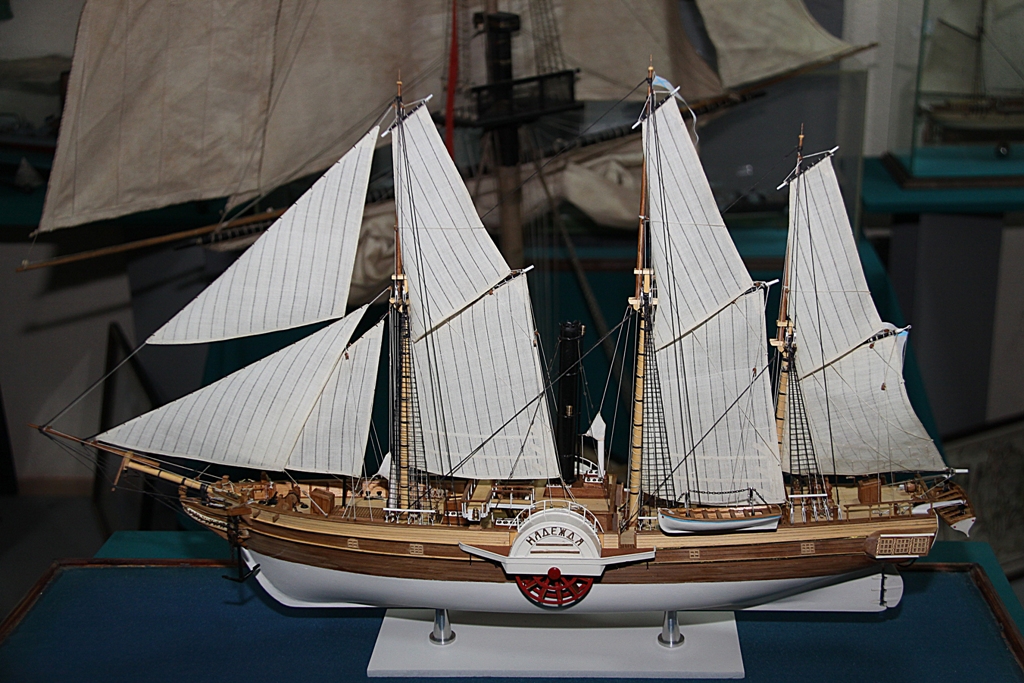
Kharkiv Maritime Museum was a small, intimate museum dedicated to the history of seafaring, featuring an exhibition of ship models, navigational instruments, maps, engravings, and documents. Visitors could see how vessels of different eras were built and equipped, step inside a 17th-century warship, and learn about sea voyages and the treasures of sunken galleons.
The museum also offered interactive elements — a ship’s bell, a 19th-century steamship whistle, photo zones, and souvenirs. Today, the Kharkiv Maritime Museum is closed.
Museum of Archaeology and Ethnography of Slobozhanshchyna
 Source: https://zvo.knu.ua/
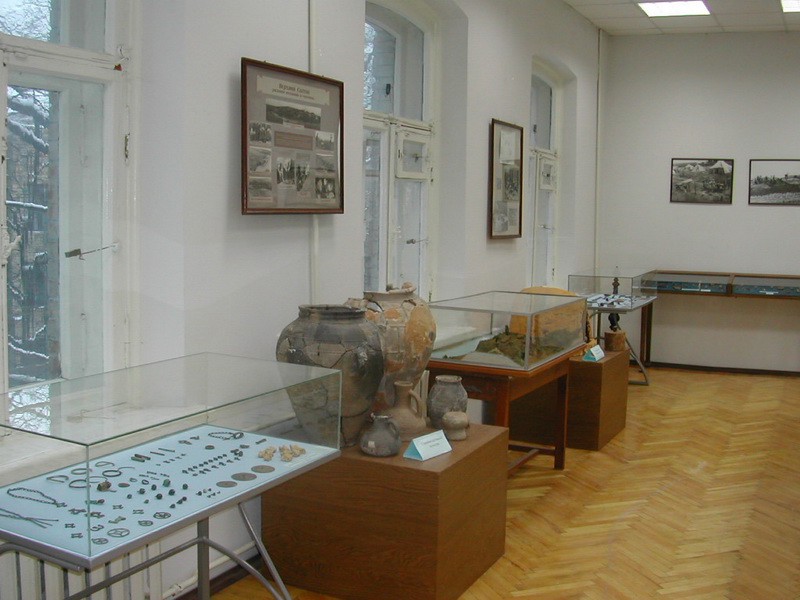
The Museum of Archaeology and Ethnography of Slobozhanshchyna at V. N. Karazin Kharkiv National University is one of the oldest university museums in Ukraine. Its origins date back to 1807, when a “cabinet of curiosities” was established at the university. Throughout the 19th and 20th centuries, the collection expanded with archaeological finds from across Ukraine and the Northern Black Sea region, covering periods from the Stone Age to the Late Middle Ages.
Today, the museum preserves extensive archaeological and ethnographic collections that reflect the development of cultures in Slobozhanshchyna and neighboring regions. Despite losses during wartime, the holdings were restored through scientific expeditions, and the museum continues to serve as an important research and educational center in Kharkiv.
Museum of History and Railway Technology of the Southern Railway
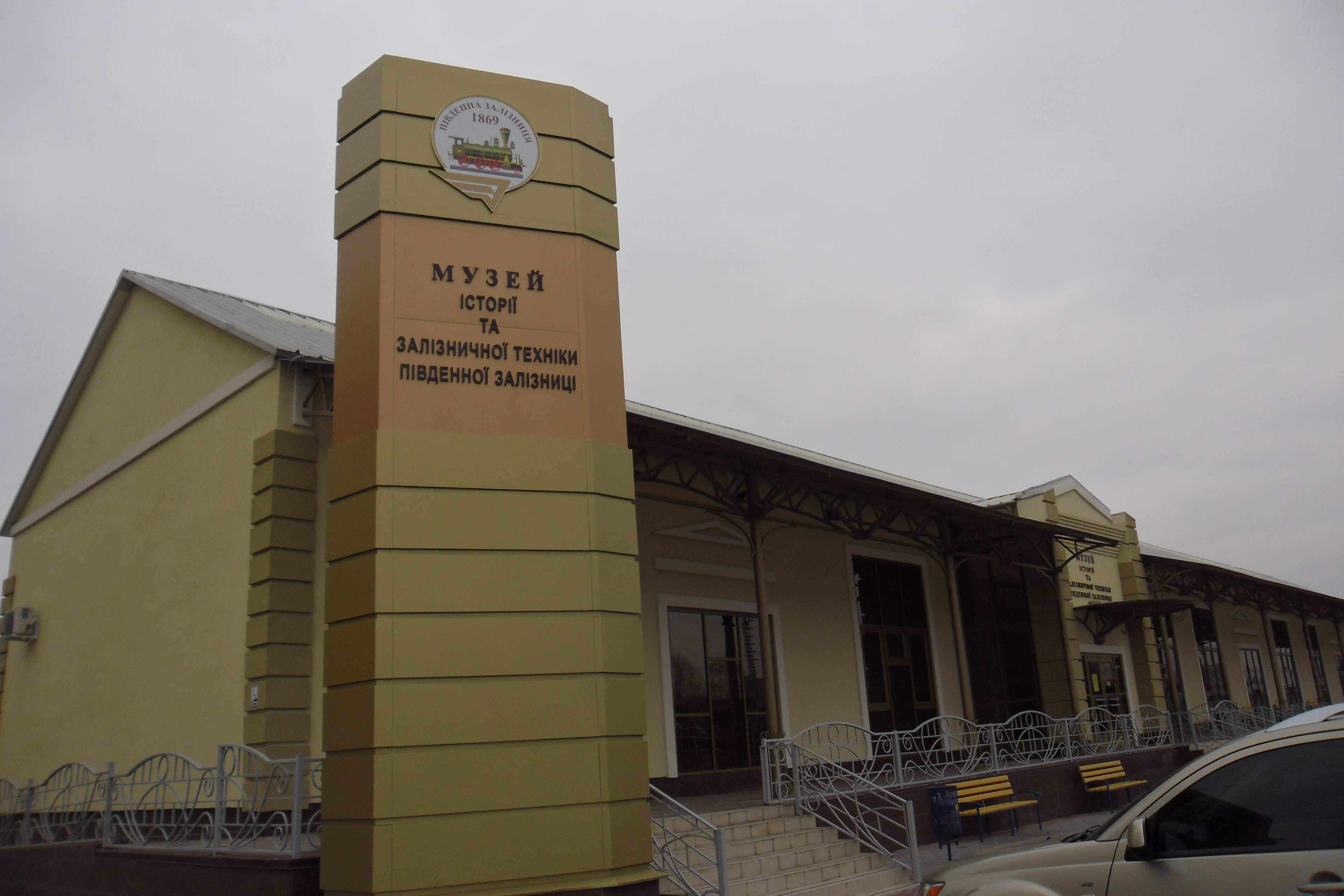
The Museum of History and Railway Technology of the Southern Railway in Kharkiv is located near Kharkiv-Pasazhyrskyi Railway Station and combines an indoor exhibition with a large open-air display of railway equipment. Founded in 1967, the museum reopened in a renovated space in 2014 and tells the story of the development of the Southern Railway from its first lines to the present day.
The collection includes more than 2,000 exhibits and 36 full-scale pieces of outdoor rolling stock: steam locomotives, diesel and electric locomotives, passenger and freight cars, and specialized railway machinery. It offers a vivid journey through railway history and is an important technical museum for everyone interested in transport and engineering.
Museum of Sexual Cultures of the World
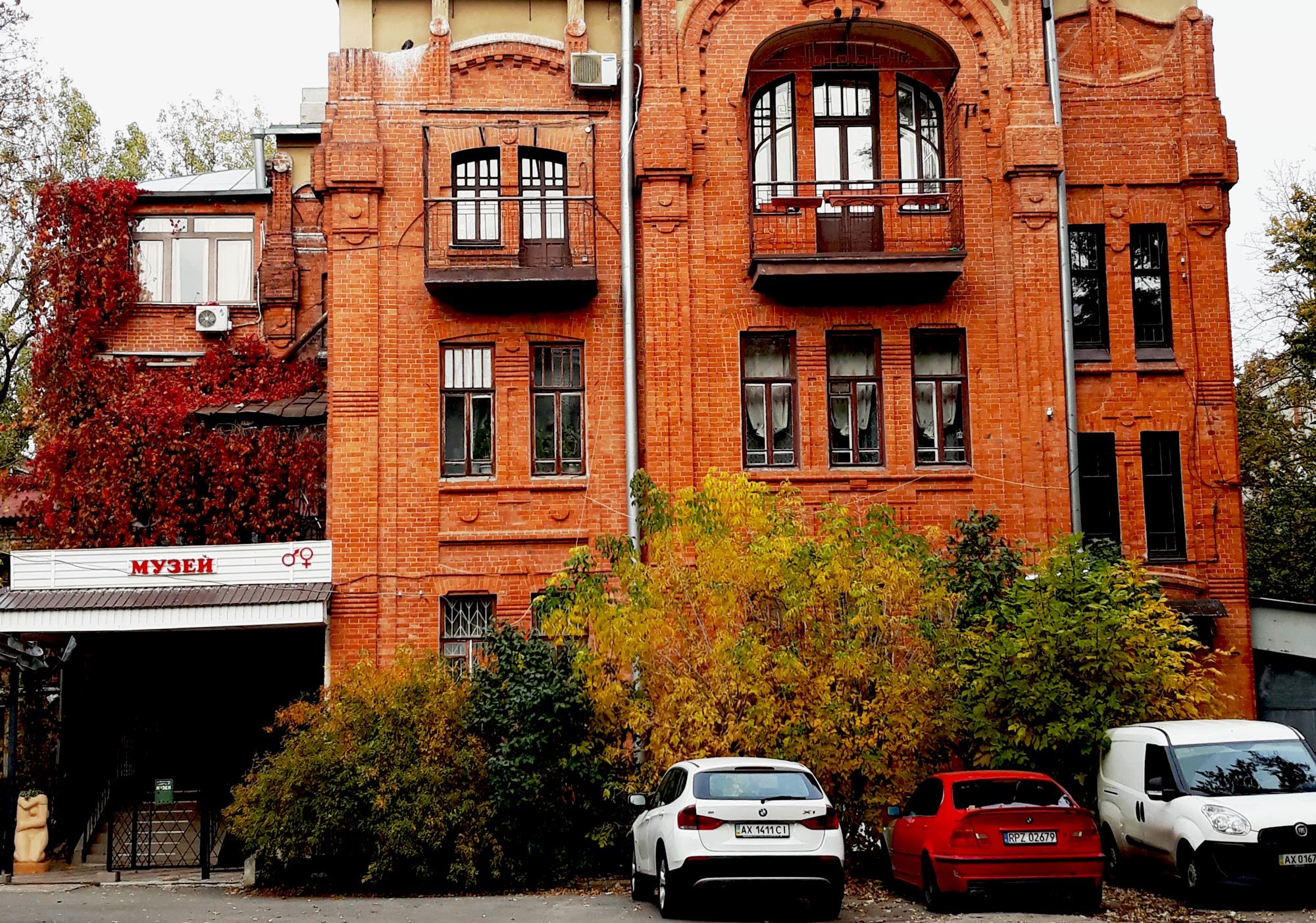
The Museum of Sexual Cultures of the World in Kharkiv is the first scientific and educational museum in Ukraine dedicated to the sexual culture of different nations. Opened in 1999 on the initiative of professional sexologists, it focuses on themes of relationships, family life, and sexual education.
The exhibition presents cultures of Europe, Asia, Africa, and the Americas and is arranged in twelve thematic halls, some of which have an 18+ age restriction. The museum’s main goal is to illustrate the path from instinct to conscious love and harmonious relationships.
Museum of Theatrical Puppets
 Source: https://puppet.kharkov.ua/musej.html
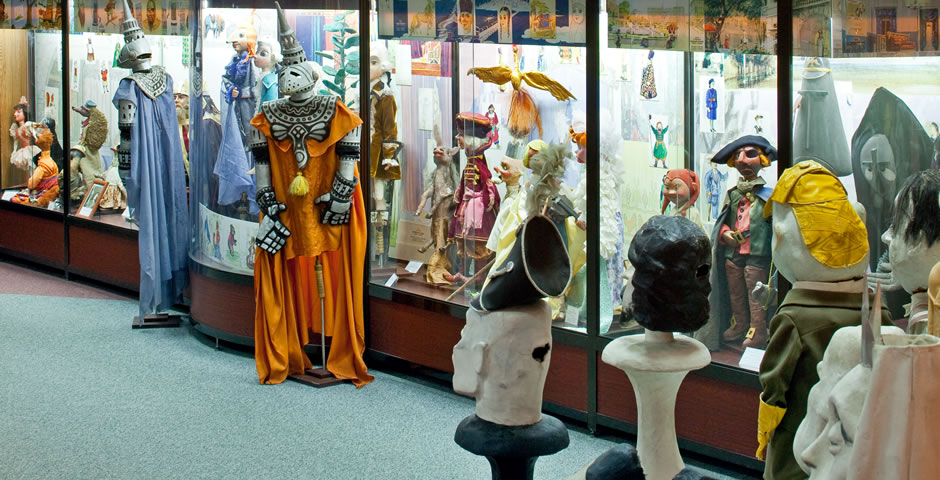
The Kharkiv Museum of Theatrical Puppets is the oldest specialized museum of its kind in Ukraine and one of the most valuable in Eastern Europe. Founded in 1954, it is housed in an early 20th-century building designed by architect Oleksii Beketov and occupies three exhibition halls.
The museum’s collection includes more than 11,000 items: theatrical puppets, sketches, posters, models, and photographs from different countries around the world. The collection introduces visitors to the history of world and Ukrainian puppet theater and preserves unique works by renowned masters.
AVEK Gallery
 Source: https://travels.in.ua/
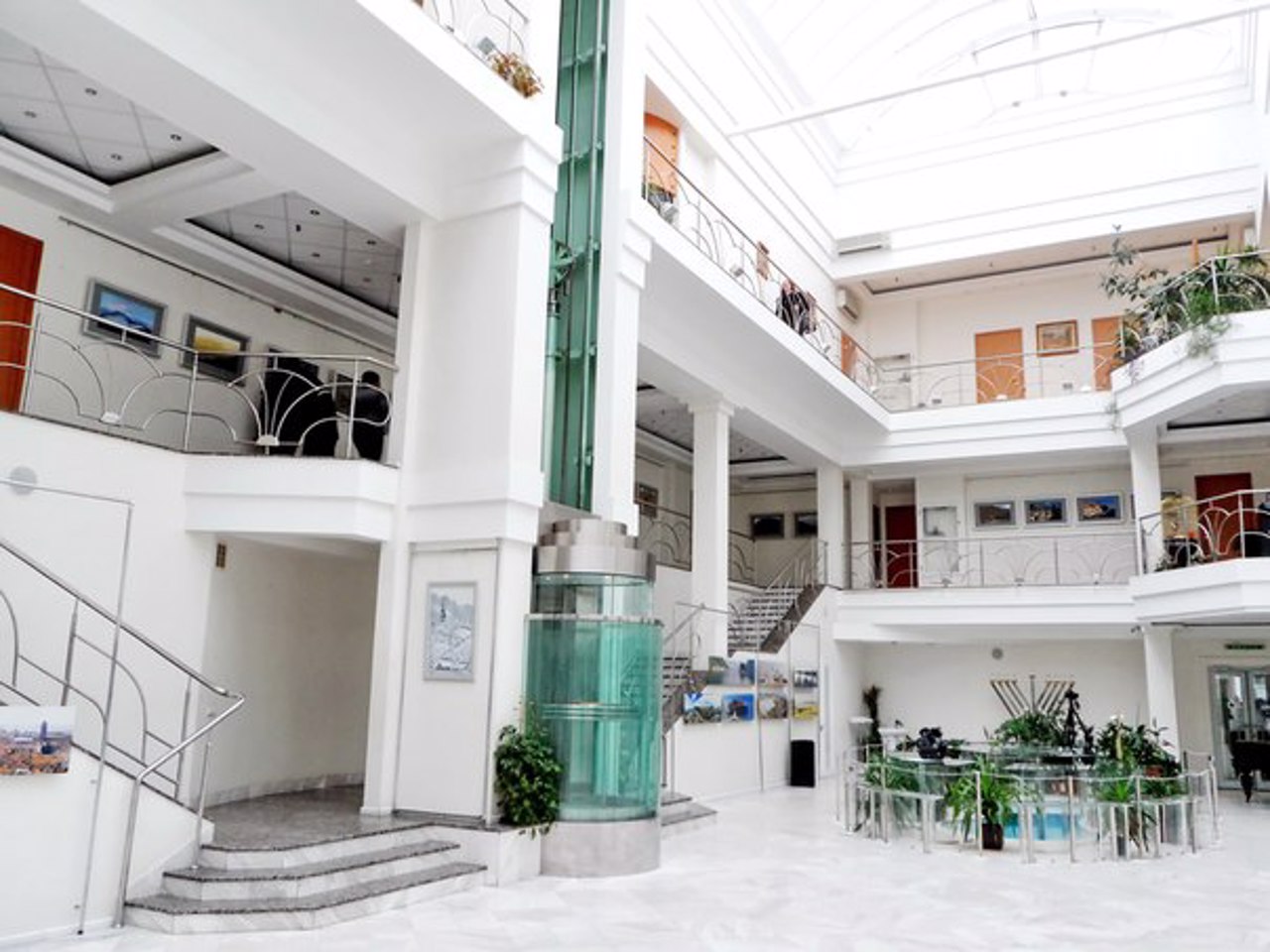
AVEK Gallery is the largest private gallery in the city, presenting exhibitions of Ukrainian and internationally renowned artists and actively developing educational and outreach projects. Its mission is to preserve and promote cultural heritage and to support the development of art in Ukraine.
On its basis, the Feldman Family Museum is being formed — a large-scale private collection of Western, Eastern, and arms-related art (over 2,600 objects), intended to become the core of a world-class contemporary private museum.
Kharkiv’s museums are living spaces of memory that shape the city’s cultural resilience. Despite war, losses, and unavoidable restrictions, these institutions continue to work — in exhibition halls, online, through educational programs, and via new formats of engagement with audiences. Supporting and paying attention to them today means contributing to the preservation of cultural heritage and to the future of a city that firmly holds onto its history while creating new meanings.


 (1)_latest.webp)