The history of Ukraine was shaped not only on the battlefield or in the halls of power—it was also forged by women whose contributions were often overlooked or undervalued. They were rulers and artists, scholars and warriors, guardians of culture and drivers of change. Their ideas, talent, and courage influenced the course of events and helped shape national identity.
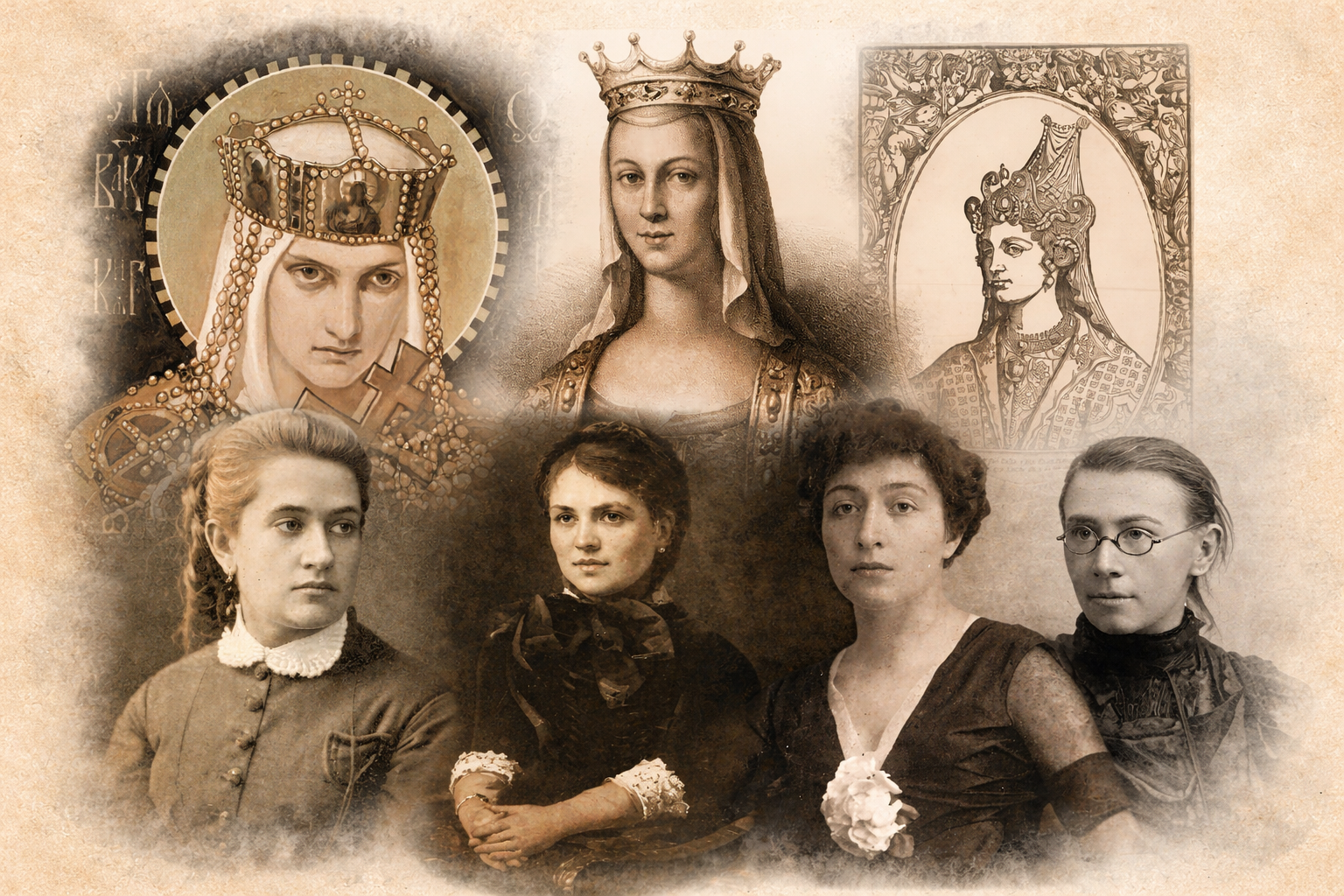
In this selection, we have gathered the Top 7 women in the history of Ukraine whose names everyone should know. These figures come from different eras and fields of activity, yet they share one thing in common—the ability to change the world around them and leave a legacy that is still felt today.
Princess Olha
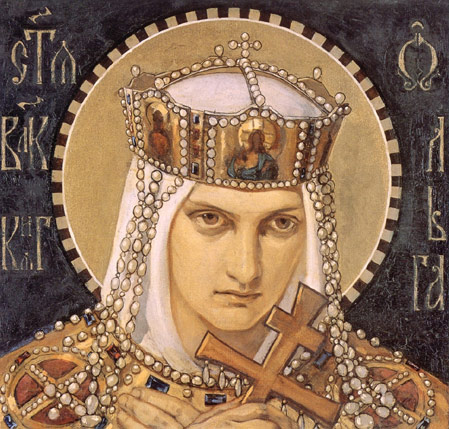
Princess Olha is one of the most famous and, at the same time, most enigmatic figures in the history of Ukraine. Very little is known about her origins and early years, and even the key events of her life remain a matter of debate among historians. After the death of Prince Ihor around 944, Olha became regent for her underage son Sviatoslav and effectively ruled Kyivan Rus, strengthening central authority and gradually bringing the tribal lands under Kyiv’s control.
She entered history as a reformer and diplomat: she streamlined the system of tribute collection by introducing fixed dues, obligations, and administrative centers (pogosts), and established relations with Byzantium. In 957, Olha accepted Christianity in Constantinople, becoming the first Christian from the ruling dynasty. Although her mission did not lead to the immediate Christianization of Rus, she laid the groundwork for future transformations, for which she was later venerated as an Equal-to-the-Apostles saint.
Anna Yaroslavna
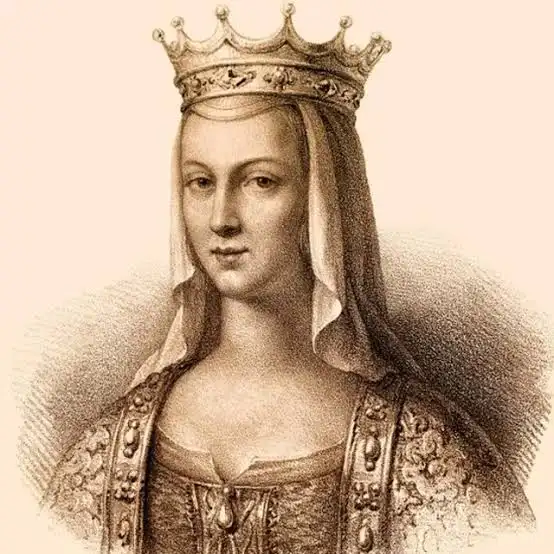
Anna Yaroslavna (c. 1032 — after 1075) was the daughter of Yaroslav the Wise, Prince of Kyiv, Queen of France, and one of the most influential women in 11th-century Europe. In 1051, she became the wife of King Henry I, bringing education and the cultural traditions of Kyivan Rus to France. After his death, she took part in state governance as the mother of King Philip I.
Anna signed royal charters, corresponded with the Pope, founded a monastery in Senlis, and left a Cyrillic signature—“Anna Regina”—a unique testament to the Ukrainian written tradition preserved in Western European sources.
Roxolana
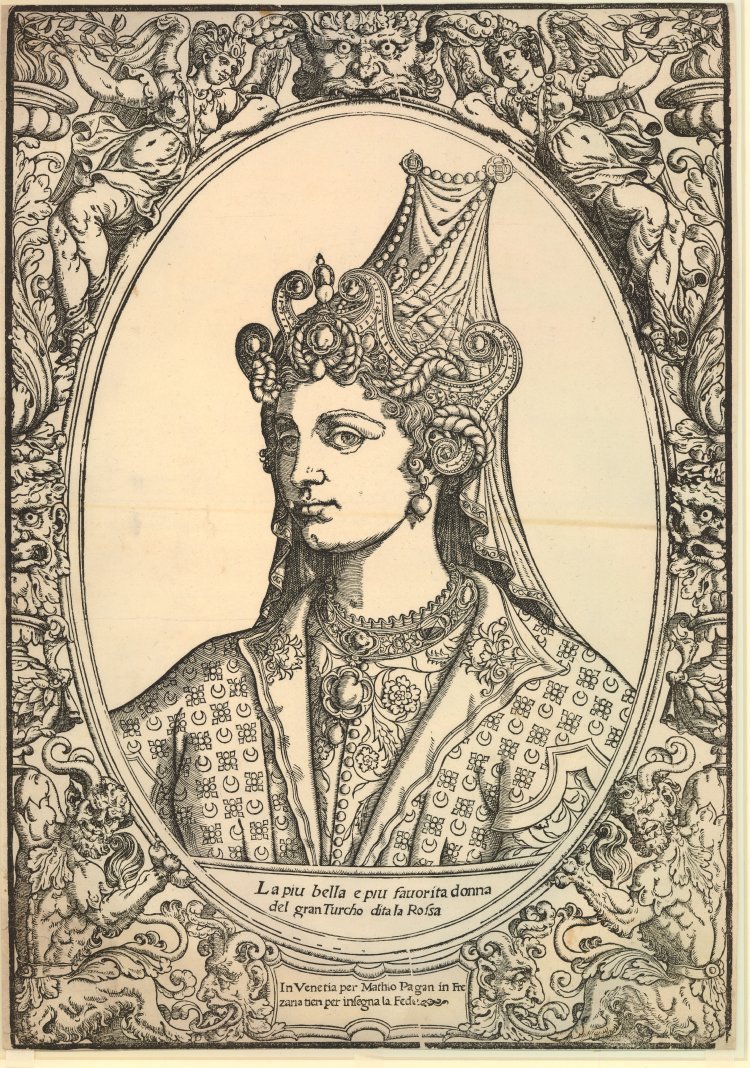
Haseki Hürrem Sultan (Roxolana) (c. 1506 — April 15, 1558) was the lawful wife of Sultan Suleiman I the Magnificent, the first haseki sultan, and one of the most influential women in the history of the Ottoman Empire. Brought to the imperial harem in the early 16th century, she became the sultan’s closest companion, with whom she conducted poetic correspondence, and helped inaugurate the era known as the “Sultanate of Women.” Roxolana was actively engaged in philanthropy: using her own funds, she commissioned mosques, schools, hospitals, caravanserais, and public kitchens in Istanbul, Edirne, Jerusalem, Mecca, and Medina.
Hürrem’s origins remain a subject of debate. Contemporary sources referred to her as a “sultana from Rus’,” while the name Anastasia Lisovska emerged much later in literary tradition. She played a significant role in the empire’s internal politics and facilitated the accession of her son Selim II to the throne. The image of Roxolana became iconic in European and Ukrainian culture, and her figure is included among the most renowned women in the history of Ukraine.
Khrystyna Alchevska
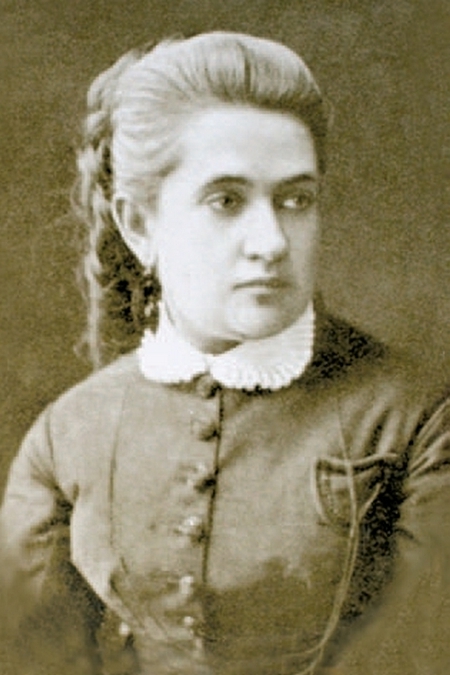
Khrystyna Danylivna Alchevska (1841–1920) was an outstanding Ukrainian educator, organizer of public education, philanthropist, and writer, one of the key figures of the Enlightenment movement in Ukraine. A self-educated woman by background, in 1862, she founded the Kharkiv Women’s Sunday School—an educational institution unique for its time for women and adults—which she supported with her own funds for more than half a century, and where about 17,000 women received an education.
Alchevska actively promoted the Ukrainian language and culture and the works of Taras Shevchenko, compiled fundamental bibliographic works for public education—most notably What Should the People Read?—and gained international recognition as a reformer of adult education. Inscribed on her gravestone is the phrase that best sums up her life: “Enlightener of the People.”
Varvara Khanenko
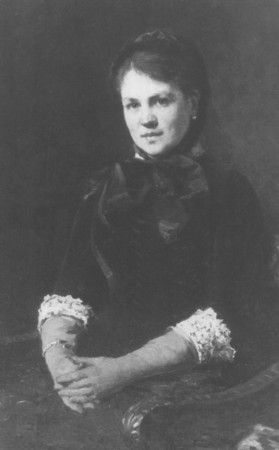
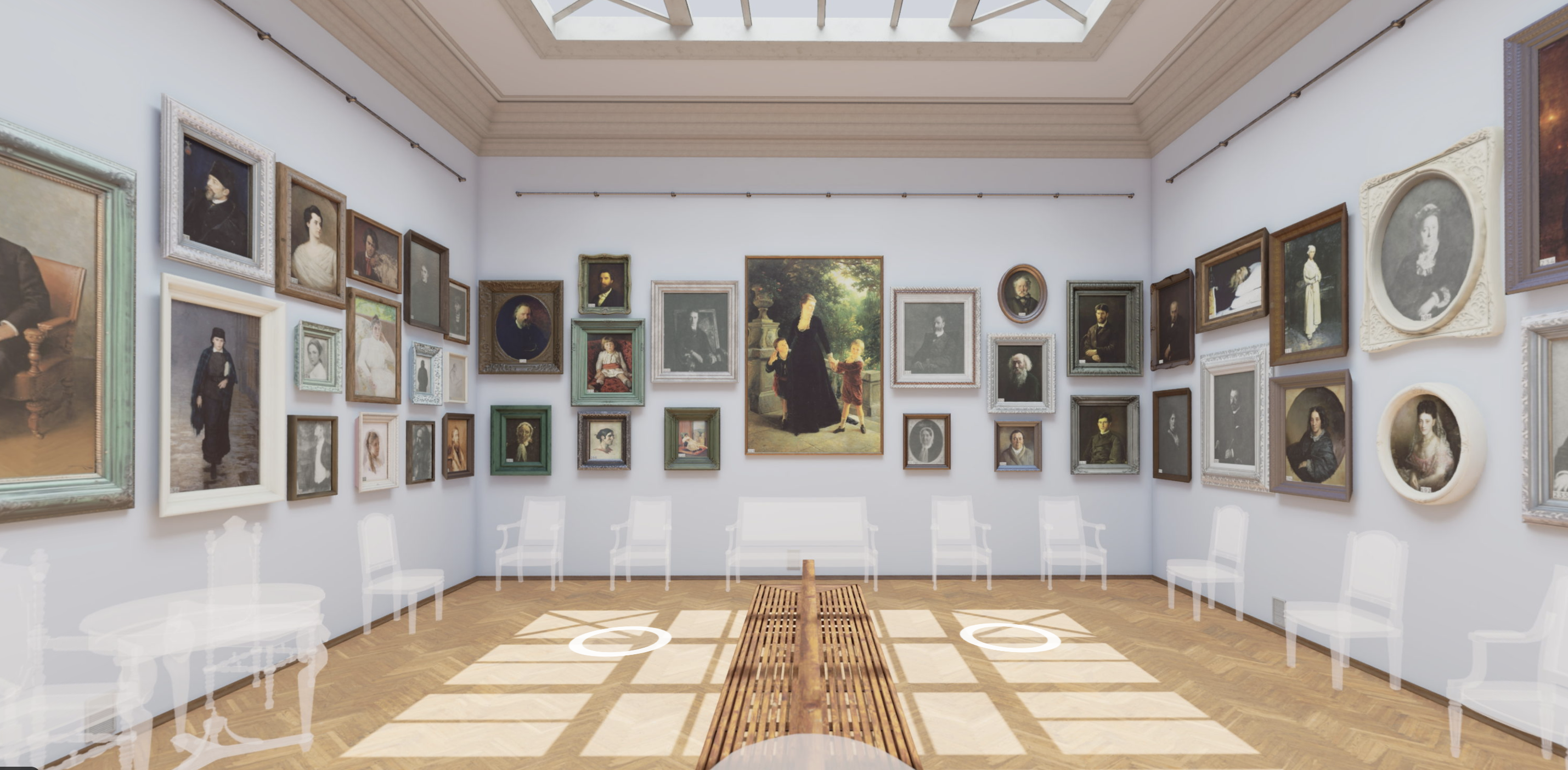
Varvara Nikolivna Khanenko (1852–1922) was a Ukrainian collector and philanthropist, one of the key figures in the formation of museum practice in Ukraine. Born into the renowned Tereshchenko family of sugar industrialists and benefactors, she and her husband Bohdan Khanenko assembled a unique collection of Western and Eastern art that became the basis of a private museum in Kyiv.
Varvara Khanenko actively supported folk crafts, founded schools and workshops, organized exhibitions, and promoted Ukrainian artisanal production. After her husband’s death, it was she who preserved the collection amid wars and revolutions, secured its return to Kyiv, and transferred it to the city on the condition that a public museum be established. Thus emerged the institution known today as the Bohdan and Varvara Khanenko Museum of Arts—one of Ukraine’s leading art museums.
Sofia Rusova
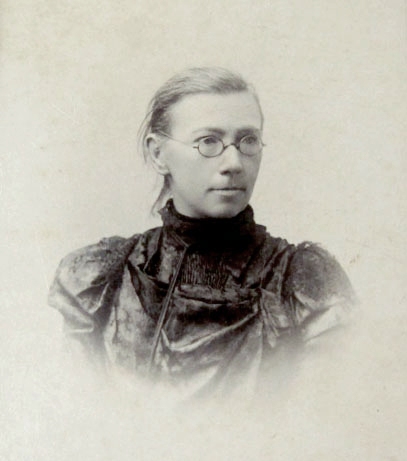
Sofia Rusova (1856–1940) was one of the key figures of the Ukrainian educational and civic movement of the late 19th and early 20th centuries—a pedagogue, enlightener, feminist, and participant in the Ukrainian Revolution. She stood at the origins of a national education system, was both a theorist and practitioner of preschool and extracurricular education, and consistently defended the right to education in the Ukrainian language as well as a humanistic, child-centered approach to learning.
As a member of the Ukrainian Central Rada and a leader of educational initiatives in 1917–1921, Rusova laid the foundations of the Ukrainian school system. In emigration, she continued her work as a professor and public figure, leaving a powerful intellectual legacy in pedagogy, culture, and women’s rights.
Oleksandra Exter
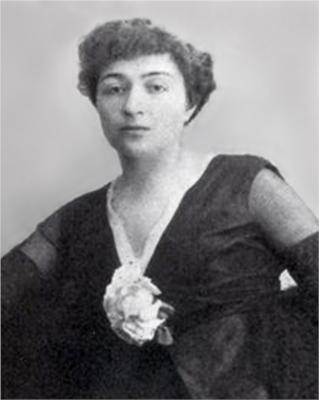
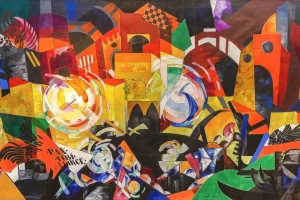
Oleksandra Exter (1882–1949) was a Ukrainian artist of Jewish origin, one of the key figures of the European avant-garde, a pioneer of Cubism and Futurism, and one of the founders of the Art Deco style. Born in Białystok, she was formed as an artist in Kyiv, where she studied and opened her famous studio, which became a center of new art.
Exter combined radical avant-garde experimentation with the energy of Ukrainian folk art, infusing her painting with a bold and vibrant color palette. She became one of the first abstractionists in Europe, reformed 20th-century scenography, influencing theater in Europe and the United States, and entered history as the “Amazon of the avant-garde”—an artist who was ahead of her time.
The lives of the women listed above convincingly demonstrate that the female contribution to the development of society has been—and continues to be—decisive, and that knowing these names is an important step toward a deeper understanding of history and Ukrainian self-identity. This list is not exhaustive—we deliberately did not mention many worthy figures; rather, we sought to outline a circle of key women whose influence proved pivotal for the historical, cultural, and intellectual development of Ukraine.
 (1)_latest.webp)


_latest.webp)